
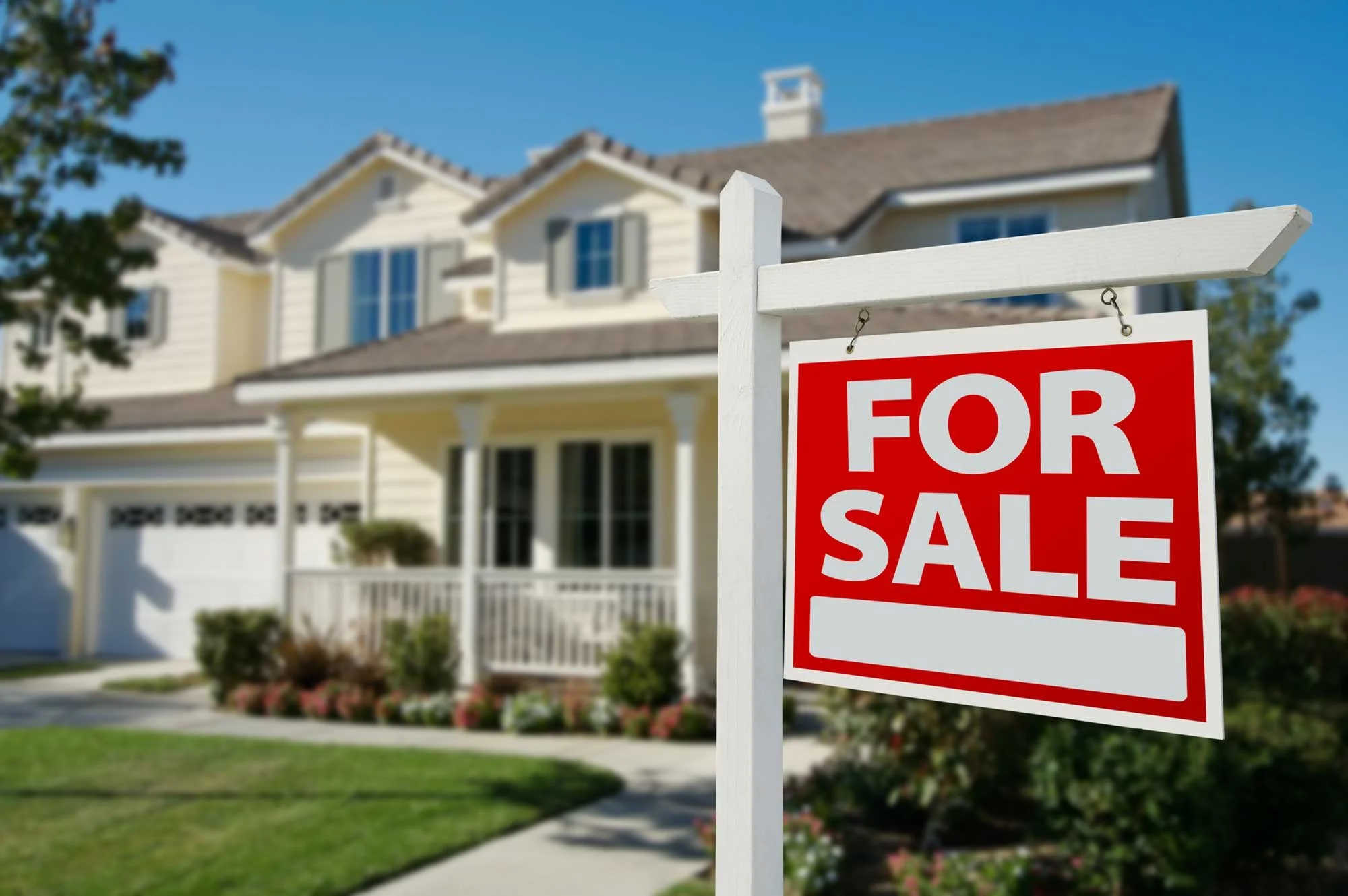
Selling A Home In 10 Easy Steps
Selling a home is an exciting journey from start to finish. Below is a complete step-by-step guide to what you can expect, from our first conversation all the way to closing day.
Click any step to learn more.
The best part is I will be with you every step of the way.
Finding the right Broker is one of the most important steps to selling a home. You need someone that knows your neigborhood, the market, and has the connections needed to sell a home but equaly as important you need someone that can communicate clearly and that you can personaly trust.
- Ask for a comparative market analysis (CMA)
- Review their recent sales and list-to-sale price ratio
- Clarify commission structure and contract length
- Confirm their availability and how they prefer to communicate
A full-service agent typically earns their commission through pricing expertise, marketing reach, and negotiation skill — don't choose based on commission alone.
Pricing is the single most important decision you'll make. Too high and buyers scroll past; too low and you leave money on the table. Your agent will pull comparable recent sales to find a competitive range — trust the data over emotional attachment to the home.
- Review 3–5 recent comparable sales in your neighborhood
- Factor in condition, upgrades, and lot size
- Discuss pricing strategy: at market vs. slightly under to drive offers
- Understand current days-on-market trends in your area
Overpricing leads to price reductions, which signal weakness to buyers. A home priced right from day one almost always nets more than one that chases the market down.
Buyers decide within seconds whether a home feels right. Declutter every room, deep clean, address obvious repairs, and consider a fresh coat of neutral paint. Professional staging — even just key rooms — consistently increases final sale price and reduces days on market.
- Declutter and depersonalize (remove family photos, excess furniture)
- Deep clean including windows, grout, and appliances
- Fix leaky faucets, broken fixtures, and scuffed walls
- Boost curb appeal: mow, trim, and freshen the front entry
- Consider a pre-listing inspection to identify surprises early
Every dollar spent on paint and staging typically returns $2–$3 in sale price. Focus especially on the kitchen, primary bedroom, and entryway.
Over 95% of buyers start their search online. Professional photos, a compelling description, and broad MLS exposure are non-negotiable. Your agent should also leverage social media, email campaigns, and their buyer network to maximize reach at launch.
- Schedule professional photography (and video or 3D tour if possible)
- Review and approve your listing description before it goes live
- Confirm MLS syndication to Zillow, Realtor.com, and other portals
- Ask about targeted digital advertising and agent network outreach
Launch on a Thursday or Friday. Buyers plan weekend showings mid-week — hitting the market just before the weekend maximizes your first-weekend foot traffic.
The easier you make it for buyers to see your home, the better. Be as flexible as possible with showing windows. During showings, leave the house — buyers feel more comfortable exploring and speaking freely when sellers aren't present.
- Install a lockbox for agent-accompanied showings
- Keep the home show-ready at all times during the active listing
- Vacate during showings — take pets with you
- Collect feedback from your agent after each showing
In a competitive market, you may get offers within days. In a slower market, consistent showing activity over 2–4 weeks is healthy. Lack of showings is a signal to revisit price or presentation.
When offers arrive, your agent will walk you through each one. Price matters, but so do contingencies, financing type, earnest money, and the proposed closing timeline. A cash offer with no contingencies can be stronger than a financed offer above list price with multiple conditions.
- Compare total net proceeds, not just offer price — factor in concessions
- Assess financing type: cash vs. conventional vs. FHA/VA
- Review contingencies: inspection, appraisal, financing, sale of home
- Consider the buyer's proposed closing date vs. your timeline
- Look at earnest money as a signal of buyer commitment
In a multiple-offer situation, ask your agent to request "highest and best" by a set deadline. This creates urgency and surfaces each buyer's true ceiling.
After the buyer's home inspection, you may receive a repair request or a request for a price reduction. Almost every inspection turns up something — this is normal, not a crisis. Your agent will help you decide what's reasonable to address and what to push back on.
- Review the inspection report with your agent before responding
- Distinguish safety and structural items from cosmetic issues
- Choose to repair, offer a credit, or reduce the price — each has tradeoffs
- Avoid agreeing to repairs and then doing them poorly — it can create liability
Sellers who refuse all repair negotiations often lose buyers who were otherwise committed. A small credit is usually worth preserving a solid deal.
Once under contract, the buyer's lender will order an appraisal. If the home appraises at or above the purchase price, this contingency is satisfied. If it comes in low, you'll need to renegotiate, the buyer can make up the difference in cash, or either party may walk away depending on contract terms.
- Keep the home in showing condition during this period
- Provide the appraiser with a list of recent upgrades and improvements
- Your agent may provide comps to the appraiser to support the value
- Financing contingency removal typically follows appraisal clearance
Most transactions under contract close successfully. Stay in close contact with your agent — they'll flag any issues before they become deal-breakers.
While the buyer's financing is being finalized, a title company searches for any liens or claims on your property. You'll also complete seller disclosure forms. Your agent and escrow team will coordinate these — your job is to respond promptly and provide any requested documents.
- Complete all required seller disclosure forms accurately and honestly
- Provide HOA documents if applicable
- Respond quickly to any title issues your agent flags
- Gather utility records, warranties, and appliance manuals for the buyer
Incomplete or inaccurate disclosures are one of the most common sources of post-closing disputes. When in doubt, disclose.
Closing day is the finish line. You'll sign final paperwork at a title company or via remote notary, the buyer's funds are transferred, and ownership changes hands. Your net proceeds are typically wired to your account the same day or the next business day.
- Review your closing disclosure 3 days before closing — check every number
- Do a final walkthrough to confirm the home is in agreed condition
- Bring valid ID and any keys, garage openers, and access codes
- Cancel homeowners insurance after closing confirmation — not before
- Notify utilities of the transfer date
Once the deed records, the sale is complete. Your agent will confirm funding and recording — after that, hand over the keys and celebrate the next chapter!
Ready To Sell Your Home?
Let's talk about your goals, your timeline, and how to get the most out of your sale.
Connect With Marshall